



As long as deep in the heart
A Jewish soul still yearns,
And forward to the east,
To Zion, an eye still looks,
Our hope will not be lost,
The hope of two thousand years,
'Od lo avdah tikvatenu
Hatikvah bat shnot alpayim:
To be a free nation in our own home-land,
The land of Zion and Jerusalem.
Lihyot am chofshi be'artzenu -
Eretz Tziyon vi'rushalayim.
My country, my country, my land,
My ancestors!
My country, my country, my nation,
In the land of struggle!
With determination, fire
Kol'od balevav P'nimah -
And my volcanic revenge,
I hove climbed the mountains,
Crossed frontiers
Nefesh Yehudi homiyah
And fought the wars.
I've conquered the impossible,
With longing in my blood
Ulfa'atey mizrach kadimah
And the roar of gems,
For my country, my land, my home,
Ayin le'tzion tzofiyah - -
My ancestors
Laibach ist eine slowenische Avantgarde-Musikgruppe, die stark mit industriellen, martialischen und neoklassischen Musikstilen assoziiert wird. Die Gruppe wurde am 1. Juni 1980 in Trbovlje, Slowenien (damals Jugoslawien), gegründet und repräsentiert den musikalischen Arm des Kunstkollektivs Neue Slowenische Kunst (NSK), dessen Gründungsmitglied sie 1984 war. Der Name „Laibach“ ist der deutsche Name für die slowenische Hauptstadt Ljubljana. Die Gruppe ist bekannt für ihre elaborierten theatralischen und Bühnenauftritte, oft mit politischen und sozialen Themen. Laibach hat mit Künstlern wie Merzbow und Rammstein zusammengearbeitet und wurde von klassischen Komponisten wie Igor Strawinsky beeinflusst. Zu den bekanntesten Songs gehören „Life is Life“, „Tanz mit mir“ und „Geburt“, während die Alben „Opus Dei“ (1988) und „NATO“ (2006) zu ihren erfolgreichsten zählen.


 Pur
 Lance Butters
 Cash N.Y.
 2Raumwohnung
 Axel Rudi Pell
 Japanische Kampfhörspiele
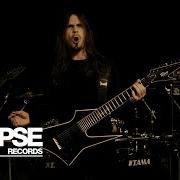 Obscura
 Anna Eriksson
 Bananafishbones
 Dionysus
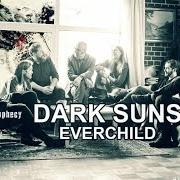 Dark Suns
 The American Tragedy