


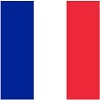

Let's go, children of the fatherland,
Our day of glory has arrived.
Against us Tyranny
Has raised its bloody flag.
Allons enfants de la Patrie,
Le jour de gloire est arrive!
Contre nous de la tyrannie
L'etendard sanglant est leve!
Do you hear it in the fields
And on the streets,
The howling of the savage force?
They come right into our house
To cut the throat of our mother -
France.
Amour sacre de la Patrie,
Conduis, soutiens nos bras vengeurs!
Liberte, Liberte cherie,
Combats avec tes defenseurs!
Traitors, criminals, delinquents, slaves,
What do they want - these foreign hordes?
Why do they carry chains,
Molotovs, iron stakes
And all their weapons?
Is it really us they dare to touch?
Do they want to be US so much?
Listen to the sound on the streets
And in the ghetto, listen!
Listen to these mercenaries,
Stone-throwers, pyromaniacs, listen!
Un-named barbarians, traitors,
The rabble, listen!
Listen to the roaring
Of this fearsome force, listen!
Under their flag of Victory and Freedom!
It's never too late
Let's go!
Laibach ist eine slowenische Avantgarde-Musikgruppe, die stark mit industriellen, martialischen und neoklassischen Musikstilen assoziiert wird. Die Gruppe wurde am 1. Juni 1980 in Trbovlje, Slowenien (damals Jugoslawien), gegründet und repräsentiert den musikalischen Arm des Kunstkollektivs Neue Slowenische Kunst (NSK), dessen Gründungsmitglied sie 1984 war. Der Name „Laibach“ ist der deutsche Name für die slowenische Hauptstadt Ljubljana. Die Gruppe ist bekannt für ihre elaborierten theatralischen und Bühnenauftritte, oft mit politischen und sozialen Themen. Laibach hat mit Künstlern wie Merzbow und Rammstein zusammengearbeitet und wurde von klassischen Komponisten wie Igor Strawinsky beeinflusst. Zu den bekanntesten Songs gehören „Life is Life“, „Tanz mit mir“ und „Geburt“, während die Alben „Opus Dei“ (1988) und „NATO“ (2006) zu ihren erfolgreichsten zählen.


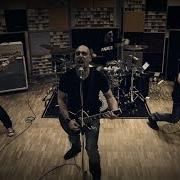 Hartmann
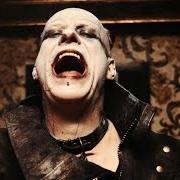 Tanzwut
 Die Fantastischen Vier
 Kianush
 Seremoniamestari
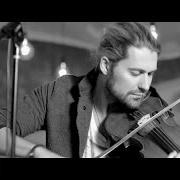 David Garrett
 Accept
 Eko Fresh
 Khaevig
 Jörn Schlönvoigt
 Dieter Thomas Kuhn
 Eichenschild