









I've done everything that can be done to heal this wound
Left it on it's own for years
I've done everything that can be done to heal this wound
Left it on it's own for years
Couldn't touch it, didn't pick it, didn't get it wet
It didn't stop the bleeding
I bandaged it, I wrapped it, stitched it, tourniqueted it
I held it stiff and aching in the air
Held it there til I went beserk
Didn't sleep
It didn't work
Didn't stop it weeping
And the wound is your life
And your life took on a life of it's own
(Or so you foolishly thought)
And your life rolled on over me Bang-Bang like 56 train wheels
Every time I heard news of you
And the wound was in every lousy song on the radio
And the pain was like a tree-fern in the dark, damp, forgotten places
Darkness didn't stop her growing
New-born baby cells dividing..
Curled up tight unrolling day by day
Stretching up, stretching out
Forming the same identical shape
Clones. There aint too much sadder than
Clones - relentlessly emerging from the hairy heart of the wound
And the fern is beautiful in it's own way
Uncurling in the dark
Beautiful with no one there to see it
As the wound weeps and aches
Marillion ist eine britische Progressive-Rock-Band, die 1977 in Aylesbury gegründet wurde. Die ursprüngliche Besetzung bestand aus Steve Hogarth (Gesang), Mark Kelly (Keyboard), Pete Trewavas (Bass) und Ian Mosley (Schlagzeug). Ihr Sound, geprägt von komplexen Melodien, poetischen Texten und einer oft melancholischen Atmosphäre, hat sich im Laufe der Jahre eine treue Fangemeinde erarbeitet. Nach dem Erfolg ihres Debütalbums "Script for a Jester's Tear" (1983) durchlief die Band verschiedene Entwicklungsphasen mit Veränderungen in der Besetzung und musikalischen Experimenten. Ihre erfolgreichste Periode war in den 1980er Jahren mit Alben wie "Fugazi" (1984) und "Misplaced Childhood" (1985). In den 1990er Jahren setzte Marillion die Arbeit fort, sowohl im Studio als auch auf der Bühne, und pflegte dabei den engen Kontakt zu ihren Fans. Steve Hogarth wurde 1989 zum Haupt-Sänger, führte die Band in eine neue musikalische Ära. Zu ihren bekanntesten Songs gehören "Kayleigh", "Incommunicado" und "The Leavers". Marillion zählt heute zu den einflussreichsten und beliebtesten Progressive-Rock-Bands weltweit.

 One Direction
 Andy Bell
 Gary Numan
 Japandroids
 Attica Blues
 Sarah Brightman
 The Farmer's Boys
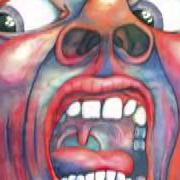 King Crimson
 Cajun Dance Party
 Paul Davis
 The Cinematic Orchestra
 Stevie Hoang