




Originally performed by Prince
Black day, stormy night
No love, no hope in sight
Don't cry, he is coming
Don't die without knowing the cross
Ghettos 2 the left of us
Flowers 2 the right
There'll be bread 4 all of us
If we can just bear the cross
Sweet song of salvation
A pregnant mother sings
She lives in starvation
Her children need all that she brings
We all have our problems
Some BIG, some are small
Soon all of our problems
Will be taken by the cross
Black day, stormy night
No love, no hope in sight
Don't cry 4 he is coming
Don't die without knowing the cross
Ghettos 2 the left of us
Flowers 2 the right
There'll be bread 4 all, y'all
If we can just, just bear the cross, yeah
We all have our problems
Some are BIG, some are small
Soon all of our problems, y'all
Will be taken by the cross
The cross
The cross
Laibach ist eine slowenische Avantgarde-Musikgruppe, die stark mit industriellen, martialischen und neoklassischen Musikstilen assoziiert wird. Die Gruppe wurde am 1. Juni 1980 in Trbovlje, Slowenien (damals Jugoslawien), gegründet und repräsentiert den musikalischen Arm des Kunstkollektivs Neue Slowenische Kunst (NSK), dessen Gründungsmitglied sie 1984 war. Der Name „Laibach“ ist der deutsche Name für die slowenische Hauptstadt Ljubljana. Die Gruppe ist bekannt für ihre elaborierten theatralischen und Bühnenauftritte, oft mit politischen und sozialen Themen. Laibach hat mit Künstlern wie Merzbow und Rammstein zusammengearbeitet und wurde von klassischen Komponisten wie Igor Strawinsky beeinflusst. Zu den bekanntesten Songs gehören „Life is Life“, „Tanz mit mir“ und „Geburt“, während die Alben „Opus Dei“ (1988) und „NATO“ (2006) zu ihren erfolgreichsten zählen.

 Brooklyn Bounce
 Yin Kalle
 Blind Guardian
 Pur
 Varg
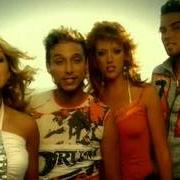 Banaroo
 Anna Maria Zimmermann
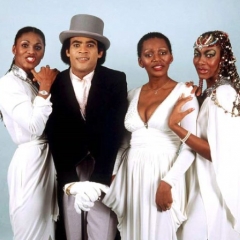 Boney M
 Mad Sin
 Anstandslos & Durchgeknallt
 Impending Doom
 Kinderlieder