





There's one kind of favor I'll ask of you
There's one kind of favor I'll ask of you
There's one kind of favor I'll ask of you
See that my grave is kept clean
And there's two white horses following me
I got two white horses following me
And there's two white horses following me
Waiting on my burying ground
Did you ever hear that coffin' sound
Have you ever heard that coffin' sound
Did you ever hear that coffin' sound
Means another poor boy is underground
Did you ever hear them church bells tone
Have you ever heard them church bells tone
Did you ever hear them church bells tone
Means another poor boy is dead and gone
Well, my heart stopped beating and my hands turned cold
And, my heart stopped beating and my hands turned cold
Well, my heart stopped beating and my hands turned cold
Now I believe what the bible told
Laibach ist eine slowenische Avantgarde-Musikgruppe, die stark mit industriellen, martialischen und neoklassischen Musikstilen assoziiert wird. Die Gruppe wurde am 1. Juni 1980 in Trbovlje, Slowenien (damals Jugoslawien), gegründet und repräsentiert den musikalischen Arm des Kunstkollektivs Neue Slowenische Kunst (NSK), dessen Gründungsmitglied sie 1984 war. Der Name „Laibach“ ist der deutsche Name für die slowenische Hauptstadt Ljubljana. Die Gruppe ist bekannt für ihre elaborierten theatralischen und Bühnenauftritte, oft mit politischen und sozialen Themen. Laibach hat mit Künstlern wie Merzbow und Rammstein zusammengearbeitet und wurde von klassischen Komponisten wie Igor Strawinsky beeinflusst. Zu den bekanntesten Songs gehören „Life is Life“, „Tanz mit mir“ und „Geburt“, während die Alben „Opus Dei“ (1988) und „NATO“ (2006) zu ihren erfolgreichsten zählen.

 Rainbirds
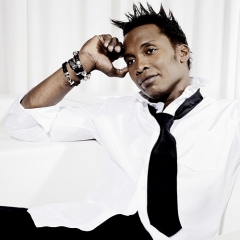 Haddaway
 Seriuz Playa & Jemi Aden
 Yung Hurn
 Eisregen
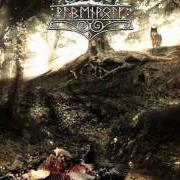 Rabenwolf
 Love Like Blood
 Warlock
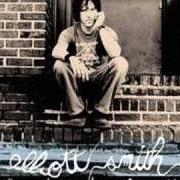 A Fond Farewell
 Dissidenten
 Max
 Moe Phoenix