




As I gang doon the Etrick Highway at the hour o' 12 at night;
What should I spy but a handsome las-sie, combin' her hair by candlelight.
First she combed it, then she brushed it;
Tied it up wi' a velvet band;
Ne'er hae I seen such a handsome lassie
all up an' doon ov'r all Scotland!
Chorus:
Fallah-tallah rhu-dhumma, rhu-dhum, rhu-u-dhum;
Fallah-tallah rhu-dhumma, rhu-dhum-day!
(2X)
Lassie, I hae come a-courting, your kind favors for to win;
And if you'd but smile upon me, next Sunday night I'll call again.
So to me you came a-courting, my kind favors for to win;
But 'twould give me the greatest pleasure if you never would call again!
What would I do, when I go walking, walking out in the Ettrick view;
What would I do when I go walking, walkin' oot wi' a laddie like you?
- Cho. -
Lassie, I hae gold and silver, lassie I hae houses and land
Lassie, I hae ships on the ocean, they'll a' be at you'r command.
What do I care for your gold and silver,
what do I care for your houses and land?
What do I care for your ships on the ocean?;
When all I want is a handsome man!
- Cho. -
Did you ever see the grass in the morning, all bedecked with jewels rare?
Did you ever see a handsome lassie, diamonds sparkling in her hair?
Did you ever see a copper kettle, mended up wi' an old tin can?
Did you ever see a handsome lassie married up tae an ugly man?
- Cho. X 2 -
The Corries waren eine schottische Folk-Gruppe, die aus dem schottischen Folk-Revival der frühen 1960er Jahre hervorging. Obwohl die Gruppe in ihren Anfängen ein Trio war, ist sie als Partnerschaft von Roy Williamson und Ronnie Browne am bekanntesten. Williamson, Sänger und Gitarrist, stammte aus einer musikalischen Familie und hatte bereits Erfahrung im traditionellen schottischen Gesang, bevor er The Corries gründete. Browne, ein vielseitiger Musiker, spielte hauptsächlich Geige, Mandoline und Banjo. Ihr Musikstil zeichnete sich durch originelle Arrangements traditioneller schottischer Lieder aus, oft mit einem modernen Touch. Zu den bekanntesten Songs der Corries gehören "Flower of Scotland", die zum inoffiziellen Nationalhymne Schottlands wurde, und "The Laird o'Cockpen". Die Gruppe hatte in den 1960er und 1970er Jahren großen Erfolg, veröffentlichte zahlreiche Alben und trat auf Musikfestivals auf der ganzen Welt auf. Ihre Musik trug dazu bei, die schottische Kultur und die Folk-Traditionen international zu verbreiten.

 King Creosote
 Lulu
 Ballyhoo!
 Calvin Harris
 The Jesus And Mary Chain
 Jack Bruce
 Glasvegas
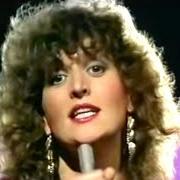 Barbara Dickson
 The Delgados
 Edwyn Collins
 Don't Look Down
 Sandi Thom